Yes — you can often feel screws in your foot as pressure, pinching, dull ache, or sharp twinges, especially near tendons or in cold or after long activity. Numbness, tingling, or metallic awareness is common early and usually improves over weeks to months as swelling and nerves settle. Persistent, worsening, or new shooting pain should prompt a surgeon visit. Keep activity gradual, protect the incision, and the rest of this guide explains what to expect and when to act.
Who This Guide Is For
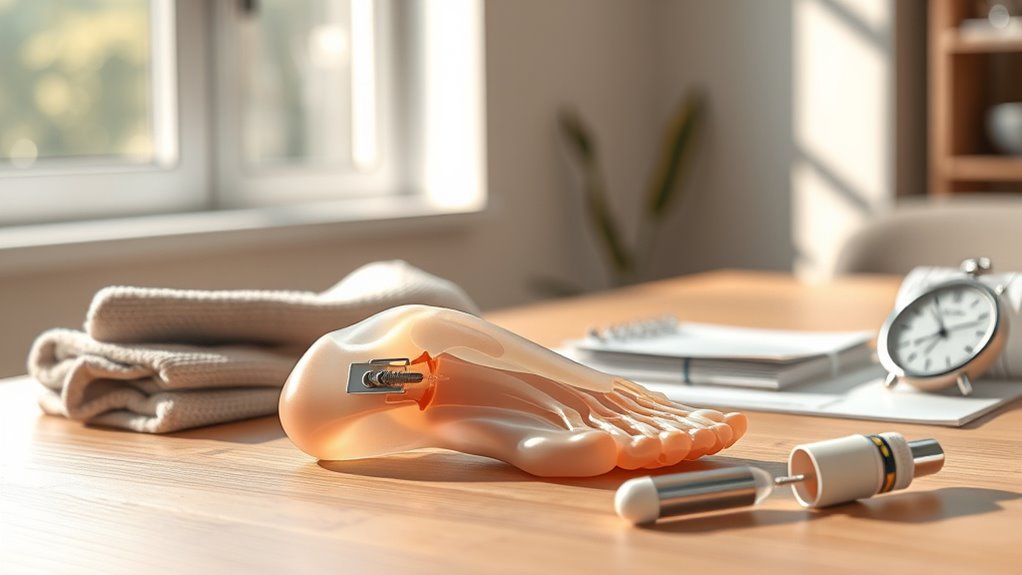
If you’ve had screws placed in your foot after a fracture, fusion, or corrective surgery, this guide is for you—whether you’re newly post-op, months into recovery, or years out and noticing changes.
You’ll get practical advice on pain cues, scar sensitivity, footwear choices that protect healing, and how to follow exercise restrictions safely.
Use it to ask informed questions of your care team.
Can You Feel Screws in Your Foot?
Although the metal itself is buried under skin and bone, you can sometimes feel screws in your foot as pressure, pinching, or a localized ache—especially when they’re near a tendon, joint, or a thin layer of soft tissue.
Even buried beneath skin and bone, foot screws can cause pressure, pinching, or a localized ache near tendons or joints
You might notice changes with activity, weather, or after sensory deprivation; calming strategies like musical therapy can help you cope.
- Localized ache
- Mechanical pinching
- Weather sensitivity
- Activity-triggered pain
Quick Actions: When to Call Your Surgeon
Feeling a new or worsening ache, sharp pinching, swelling, redness, drainage, fever, or any loss of function in your foot warrants a call to your surgeon right away. Mention sudden changes, signs of infection, persistent numbness, or chronic discomfort that might prompt hardware removal. If unsure, call.
| Symptom | Action |
|---|---|
| Fever | Call |
| Drainage | Urgent |
| Severe pain | Call |
| Numbness | Call |
| Worsening swelling | Call |
What to Expect in the First 2 Weeks After Foot Hardware
Expect pain, swelling, and bruising around the surgical site, and know that’s normal in the first two weeks.
You’ll be changing dressings and caring for the wound as instructed, while following strict weightbearing limits and mobility guidelines to protect the hardware.
If pain or swelling suddenly worsens or your dressing soaks through, call your surgeon.
Pain, Swelling, Bruising
In the first two weeks after getting screws in your foot you’ll likely notice pain, swelling, and some bruising as your body starts the healing process.
You’ll feel localized foot discomfort and occasional odd screw sensation near incision sites.
Expect:
- Tenderness increasing with activity.
- Visible swelling around the hardware.
- Purple or yellow bruising.
- Pain that eases with rest and elevation.
Wound Care, Dressing Changes
Although the first few days feel delicate, you’ll need to keep the incision clean and dry and follow your surgeon’s dressing schedule exactly.
Change dressings as instructed, watching for increased redness, drainage, or fever—signs of infection or hardware complications.
Use prescribed wound cleaning solutions, gentle technique, and clean hands.
Call your clinic if you notice worsening pain, spreading redness, or unusual discharge.
Mobility, Weightbearing Limits
Wondering how much you can move your foot after surgery? You’re limited to protect bone healing and hardware stability.
In the first two weeks you’ll:
- Keep non-weightbearing or touch-down weightbearing with crutches.
- Use a boot for immobilization.
- Elevate and limit activity to reduce swelling.
- Follow surgeon instructions for gradual progression to partial weightbearing.
Typical Recovery: Weeks 3–12
By weeks 3–12 you’ll usually see swelling go down and numbness or tingling start to improve as nerves heal.
You’ll be guided to slowly increase weightbearing and activity—following your surgeon or therapist’s timeline prevents setbacks.
Keep watching for persistent pain or unusual changes and report them so your rehab can be adjusted.
Decreasing Post‑Op Swelling
As your activity slowly increases between weeks three and twelve, your foot should start shedding much of the early postoperative swelling. You’ll notice less tightness around screw placement and gradual sensation changes without sudden shifts.
- Elevate regularly to reduce pooling.
- Use compression as advised.
- Ice briefly after activity.
- Monitor for worsening redness or pain and call your surgeon.
Return Of Sensation
When nerves start to recover between weeks three and twelve, you’ll notice sensation returning gradually around the screw sites—first as tingling or numb patches, then as light touch and temperature awareness coming back.
Expect uneven progress: bone healing progresses alongside nerve repair, so sensation return may fluctuate.
You should report sudden increased pain, spreading numbness, or persistent loss to your surgeon for timely assessment.
Activity Progression Guidelines
Though you’ll still be cautious, start increasing weight-bearing and gentle activity in a controlled way between weeks 3 and 12 to encourage bone and soft-tissue healing without overloading the repair.
You’ll progress based on pain, swelling, and radiographic healing, considering screw types and foot anatomy to guide tempo.
- Partial weight-bearing with brace
- Range-of-motion exercises
- Gradual strengthening
- Low-impact cardio
Long‑Term Sensations From Foot Hardware (3+ Months)
If you’ve had screws or plates in your foot for more than three months, you’ll likely notice the acute postoperative pain has faded and been replaced by more subtle, long‑term sensations—tightness around the incision, occasional twinges with changes in weather, or a persistent awareness of the hardware under the skin.
You’ll adapt footwear choices, continue postoperative exercises, and learn which activities trigger mild stiffness, numbness, or pressure awareness.
Common Ways Patients Describe Hardware Sensations
As you move past the early healing phase, people often describe a handful of recurring sensations around foot hardware. You may notice Hardware awareness and subtle Sensory changes that vary with activity.
Common descriptions include:
- Dull pressure under skin.
- Sharp twinges with movement.
- Temperature-related sensitivity.
- Intermittent buzzing or popping, often position-dependent.
Why Numbness and Altered Feeling Happen After Surgery
You might notice numbness or odd sensations after surgery because nerves can be stretched, cut, or irritated during the procedure.
Local anesthetic and nerve blocks also temporarily change how signals travel, so areas can feel numb or different for hours to days.
Over time, scar tissue can trap or tether small nerves and prolong altered feeling, which is why sensation often changes as you heal.
Surgical Nerve Trauma
Because nerves run close to the bones and soft tissues surgeons work on, they can get stretched, compressed, or cut during foot surgery, causing numbness, tingling, or altered sensation.
You may notice changes as tissues settle; muscle spasms and scar formation affect recovery alongside bone healing.
Common presentations:
- Local numb patch
- Tingling radiating
- Hypersensitivity
- Persistent ache
Local Anesthetic Effects
When your surgeon injects local anesthetic during or after foot surgery, it blocks nerve signals so you won’t feel pain in the area for a while; this temporary numbness can make toes or the top of your foot feel heavy, tingly, or oddly insensitive. You might get electrical stimulation or sensory mapping to assess recovery and track return of normal feeling.
| Test | Purpose | Timing |
|---|---|---|
| Nerve exam | Detect block | Immediate |
| Electrical stimulation | Stimulate nerves | Early |
| Sensory mapping | Chart sensation | Follow-up |
Scar Tissue Formation
Local anesthetic can mask nerves briefly, but longer-lasting numbness often comes from scar tissue forming around nerves after surgery.
You might notice tingling, tightness, or reduced sensation as healing progresses. Scar tissue can cause nerve entrapment, altering signals and causing discomfort.
Watch for changes and report worsening signs to your surgeon.
- Pain or burning
- Tingling or numbness
- Tight, stiff area
- Changing sensation
Why You May Get Sharp or Shooting Pains Near Screws
Although screws are meant to stabilize bone and relieve pain, you might feel sharp or shooting pains near them as you heal.
Nerve irritation from nearby nerves, shifting hardware during bone healing, or localized inflammation can cause sudden stabs.
Poor footwear choices that press on the incision or hardware worsen symptoms.
Monitor intensity, avoid tight shoes, and report persistent or worsening sharp pains to your surgeon.
When a Metallic or Pressure Sensation Is Normal : And When It’s Not
Right after surgery you’ll often feel odd pressure or a metallic awareness as tissues heal and you get used to the implant. It’s normal to be aware of the screw or to feel mild pressure with activity.
However, you should watch for increasing pain, redness, swelling, drainage, or fever. If those signs appear or the sensation worsens instead of improving, contact your surgeon promptly.
Immediate Post-Op Sensations
When you first wake from surgery, it’s normal to feel a variety of sensations around the incision and where the screws sit — numbness, tingling, a dull pressure, or an odd metallic awareness — because nerves and tissues are still recovering and reacting to swelling and local anesthetic.
Consider footwear choices and dietary considerations to aid healing.
- Numbness/tingle
- Dull pressure
- Localized warmth
- Sharp pain spikes
Normal Implant Awareness
As your swelling subsides and the nerves settle, you’ll often notice a faint metallic or pressure sensation around the screws—that’s usually just your body adapting to the implant and scar tissue forming.
You may feel intermittent sensory feedback related to screw placement, activity, or shoe pressure. This awareness often fades over months; gentle movement and avoiding direct pressure help you adjust without alarm.
Signs Of Complication
Although a faint metallic or pressure sensation is often harmless, you should watch for specific changes that suggest a complication.
You’ll want prompt evaluation if signs worsen or new problems arise, beyond cosmetic concerns or aesthetic considerations.
- Increasing sharp pain or throbbing
- Redness, swelling, warmth
- Drainage or fever
- Loss of function or numbness
How Implant Location Changes What You’ll Feel
Because your foot has many layers—skin, fat, muscle, tendons, and bone—the exact spot of an implanted screw changes how you’ll notice it.
Superficial screws near nerve-rich areas may cause tingling or tenderness, while deeper, intramedullary placements feel muted.
You’ll also sense differences from screw design and implant materials; larger or stiffer hardware can create focal pressure or awareness during activity.
How Surgical Technique Affects Postoperative Sensation
When your surgeon alters incision placement, screw trajectory, or soft-tissue handling, you’ll often notice a different sensory outcome. Careful dissection and precise hardware alignment minimize nerve irritation.
Changing incision, screw trajectory, or soft‑tissue technique often alters sensation; careful dissection and precise hardware placement reduce nerve irritation.
Rough tissue handling or malpositioned screws raise the risk of numbness, tingling, or localized pain. You’ll notice how surgical precision affects hardware sensitivity and recovery.
- Smaller incisions
- Accurate screw depth
- Gentle soft-tissue handling
- Secure fixation technique
Nerve Irritation, Entrapment, and Scar Tissue Explained
If you feel new tingling, burning, or persistent numbness after foot surgery, nearby nerves may be irritated, entrapped, or encased in scar tissue. You might notice localized pain, shooting sensations, or sensitivity to touch.
Physical therapy, nerve gliding, anti-inflammatory measures, and targeted injections can reduce symptoms.
In some cases, surgical release addresses nerve entrapment or removes problematic scar tissue to restore comfort.
Signs Your Hardware May Be Loosening or Failing
If you notice new or worsening pain around the screw site, that could be a sign the hardware is loosening or failing.
You might also see or feel the screw shifting under the skin or notice changes in how the area looks.
If either happens, contact your surgeon promptly so they can assess it.
New Or Worsening Pain
As you heal, new or worsening pain can signal that a screw or other hardware is shifting or failing, so don’t ignore changes in your discomfort.
- Sharp, localized pain rising with activity despite improved footwear comfort.
- Night pain that interrupts sleep or grows over weeks.
- Tingling or burning during nerve regeneration phases that worsens suddenly.
- Pain with weightbearing or swelling near the implant.
Visible Hardware Movement
When a screw or plate starts to loosen, you may actually see or feel changes at the site—like hardware that sits higher under the skin, pokes through, or shifts position when you move.
Watch for visible hardware movement, swelling, redness, or a clear sensation disturbance.
Hardware migration can cause catching or altered motion; if you notice this, contact your surgeon promptly for evaluation and imaging.
Infection Signs to Watch For Around Foot Screws
Although most screw sites heal without trouble, you should watch closely for signs of infection around the screws in your foot. Keep footwear choices loose, get timely care, and lean on emotional support if infection worries you.
Look for:
- Increasing redness or spreading warmth.
- New or worsening pain around screws.
- Pus, drainage, or foul odor.
- Fever, chills, or swollen lymph nodes.
When Persistent Pain Needs Imaging or Surgeon Review
If you keep noticing persistent or worsening pain around screw sites despite no clear signs of infection, you should consider imaging or asking your surgeon to reassess the area.
They’ll evaluate hardware irritation, screw material reactions, wound healing, and persistent postoperative numbness.
Bring a clear timeline, pain pattern, and any new symptoms so your surgeon can decide if conservative care, hardware change, or further evaluation is warranted.
Tests and Scans Your Surgeon May Order
Before ordering tests, your surgeon will review your symptoms and exam, then pick imaging that answers specific questions—bone healing, hardware position, infection, or nerve involvement.
You may get targeted studies based on suspected issues and the Hardware types and Surgical techniques used.
- X‑ray for alignment and implant position
- CT for bone healing details
- MRI for soft tissue or nerve concerns
- Blood tests for infection markers
Non‑Surgical Ways to Manage Hardware‑Related Sensations
When hardware in your foot causes mild aching, tingling, or pressure, you don’t always need surgery to feel better — many non‑surgical strategies can reduce symptoms and improve comfort while the bone finishes healing.
You can try physical therapy, targeted exercises, shoe adjustments, icing, and elevation.
Consider alternative therapies like acupuncture or massage, and discuss safe herbal remedies with your clinician before trying them.
Medications and Nerve Pain Treatments After Foot Hardware
You’ll likely be offered several pain medication options after hardware placement, from short‑term NSAIDs and acetaminophen to prescription opioids for severe flare‑ups.
For nerve pain, your clinician may recommend anti‑seizure drugs, certain antidepressants, topical agents, or nerve blocks to target shooting or burning sensations.
Talk with your provider about benefits, side effects, and how each choice fits your recovery goals.
Pain Medication Options
Although everyone’s pain is different, you have several medication paths to contemplate after foot hardware—over-the-counter NSAIDs and acetaminophen for mild discomfort, short-term opioids for severe acute pain, topical analgesics for local relief, and specific agents like gabapentin or amitriptyline when nerve pain is suspected.
Consider options influenced by hardware durability and surgical precision:
- OTC NSAIDs/acetaminophen
- Short-term opioids
- Topical analgesics
- Neuropathic agents
Nerve Pain Therapies
Nerve pain after foot hardware can feel sharp, burning, or like electric shocks, and it often needs treatments beyond standard painkillers.
You may try anticonvulsants, antidepressants, topical agents, or nerve blocks to target neuropathic firing and hardware sensitivity.
Physical therapy, desensitization, and nerve regeneration-promoting strategies (like vitamin B12) can aid recovery.
Consult your surgeon for tailored therapy and timing.
Physical Therapy and Activity Modifications That Help
Once your surgeon clears you, start guided physical therapy to restore range of motion, strengthen surrounding muscles, and retrain your gait so the screw site isn’t overloaded.
Consider how hardware durability and surgical techniques affect rehab pace. Follow progressive, activity-focused plans and modify load to avoid irritation.
- Gradual weightbearing
- Strengthening exercises
- Gait training
- Low-impact cross-training
When Hardware Removal Is Considered
If your screw causes persistent pain, irritation, or limits ankle and toe motion despite conservative care, your surgeon may recommend removal. You’ll discuss timing, imaging, and whether pain stems from hardware complications or soft tissue irritation.
Removal aims to improve comfort and support sensation management during recovery. Expect planning around bone healing, brief recovery, and follow-up to monitor function and nerve symptoms.
Risks and Benefits of Removing Screws
When you consider removing screws, weigh how it might ease ongoing pain and discomfort against the risk of new soreness during recovery.
You should also factor in infection and other complications that can arise from another procedure.
Finally, think about how removal could affect long-term functionality—sometimes it improves mobility, but other times it offers little benefit.
Pain And Discomfort
Although the hardware itself may not always cause problems, you can still experience persistent pain, irritation, or altered sensation around screws in your foot. You might notice muscle tension and skin irritation nearby. Consider these possibilities:
- Localized ache when bearing weight.
- Pinching or numb patches.
- Muscle tension from altered gait.
- Irritation with shoes or activity that worsens pain.
Infection And Complications
Because screws sit where bacteria can sometimes settle, you need to watch for infection signs and know the trade-offs of removal versus retention.
If redness, drainage, fever, or worsening pain appear, seek care.
Removal can relieve hardware sensitivity but risks surgical complications.
Keeping screws avoids another operation but may need sensation troubleshooting and antibiotic management.
Discuss options with your surgeon.
Long-Term Functionality
If you’re weighing whether to remove foot screws, focus on how each choice affects your daily function. You’ll balance hardware durability against potential pain, mobility, and sensation recovery.
Discuss risks and benefits with your surgeon to match activity goals and healing.
- Less pain vs retained hardware stress
- Improved range vs surgical risks
- Faster sensation recovery vs scar effects
- Long-term durability vs revision need
Recovery and Sensations After Hardware Removal
Once the screws are out, you’ll notice a mix of immediate relief and new, temporary sensations as your foot adjusts.
Once the screws are removed, expect relief alongside temporary numbness, tingling, and an adjusting foot.
Expect tenderness, numbness, tingling, and mild swelling.
Follow your surgeon’s care plan, limit weight-bearing as advised, and ask about footwear options to protect healing.
Seek emotional support for anxiety or frustration; recovery varies, so track pain, wound changes, and report concerns promptly.
How Long Sensations Usually Last After Removal
Although everyone heals differently, most people notice the strongest sensations — tenderness, tingling, and numbness — easing within 4 to 8 weeks after screw removal.
While these sensations typically improve, milder numbness or altered feeling can take several months to resolve.
- Early weeks: pronounced tenderness, monitor footwear adjustments.
- Month 2–3: tingling fades as nerve regeneration progresses.
- 3–6 months: gradual sensory return, occasional pins-and-needles.
- Beyond 6 months: residual numb spots may persist, reassess with your clinician.
How to Lower Your Risk of Chronic Pain After Foot Surgery
Because you’re aiming to get back on your feet without long-term pain, take steps now to reduce the chance of chronic pain after foot surgery. Follow rehab, protect incisions, and choose supportive footwear choices. Consider physical therapy and alternative therapies like acupuncture or massage. Monitor pain, avoid smoking, and keep follow-ups.
| Action | Benefit |
|---|---|
| Rehab | Strength |
| Quit smoking | Better healing |
Questions to Ask Your Surgeon About Your Screws and Symptoms
If you’re feeling odd sensations near a screw or worried about persistent pain, prepare a short list of focused questions to bring to your surgeon so you get clear answers about what’s happening, why, and what to expect next.
- Is this pain related to hardware durability or movement?
- Could surgical scars be causing nerve tethering?
- Do I need imaging or removal?
- What signs warrant follow-up and timeline for healing?
Red Flags That Require Urgent Medical Attention
When you notice sudden worsening — like increasing pain, redness, swelling, fever, or drainage near the screw site — get medical attention right away because these can signal infection, hardware failure, or compromised blood flow that need prompt treatment. You should also watch for numbness, instability after sports injuries, and consider dietary considerations for healing.
| Sign | Urgency | Action |
|---|---|---|
| Fever | High | ER/doctor |
| Drainage | High | Wound care |
| Instability | High | Imaging |
| Numbness | High | Neuro exam |
| Poor diet | Medium | Nutrition plan |
Frequently Asked Questions
Can Metal Detectors Alarm Because of Foot Screws?
Yes, you might trigger a metal detector if the device’s metal detector sensitivity is high enough; foot screw detection depends on screw size, depth, and detector settings, so smaller or deep screws often won’t set off alarms.
Can Foot Screws Affect Airport Security Pat‑Downs?
Yes — airport pat‑downs can notice hardware; for example, a traveler with ankle screws declared their surgical safety card and avoided extra screening. You’ll mention surgical safety and implant visibility to staff to streamline screening.
Will Cold Weather Make Screw‑Related Pain Worse?
Yes — cold weather can worsen screw sensitivity; you’ll often feel increased ache and stiffness as temperature drops. Staying warm, using insulation, and following your rehab plan can help reduce discomfort and improve mobility during colder months.
Can I Wear Compression Socks With Foot Hardware?
Like a gentle hug, you can usually wear compression socks with foot hardware; they provide compression therapy and added foot support, but you should check fit, avoid excessive pressure over screws, and confirm with your surgeon first.
Do Supplements (Vitamin D/Calcium) Affect Screw Integration?
Yes — adequate vitamin D and calcium support bone healing and screw integration by improving supplement absorption and mineralization; you should follow dosing, check levels, and coordinate with your surgeon to avoid excess or interactions that could harm healing.
Conclusion
You might still feel screws in your foot for a while, and that can be unsettling—but it’s usually part of recovery. Want to know if what you’re feeling is normal or needs attention? Trust your surgeon’s guidance, act on worsening pain, redness, or drainage, and practice prescribed rehab to reduce long-term issues. Ask clear questions at follow-ups, follow wound and activity instructions, and reach out promptly if symptoms escalate to protect your healing and mobility.