Yes — you can have ankle screws removed if they cause pain, irritation, infection, loosening, or limit motion. The outpatient procedure takes about 30–90 minutes under local, regional, or general anesthesia; recovery involves wound care, brief activity limits, progressive weight-bearing, and physiotherapy over 6–12 weeks. Costs vary by facility, surgeon, and insurance authorizations, so get an itemized estimate and confirmation of coverage. Keep going to learn practical timing, risks, and rehab tips.
Can Ankle Screws Be Removed?
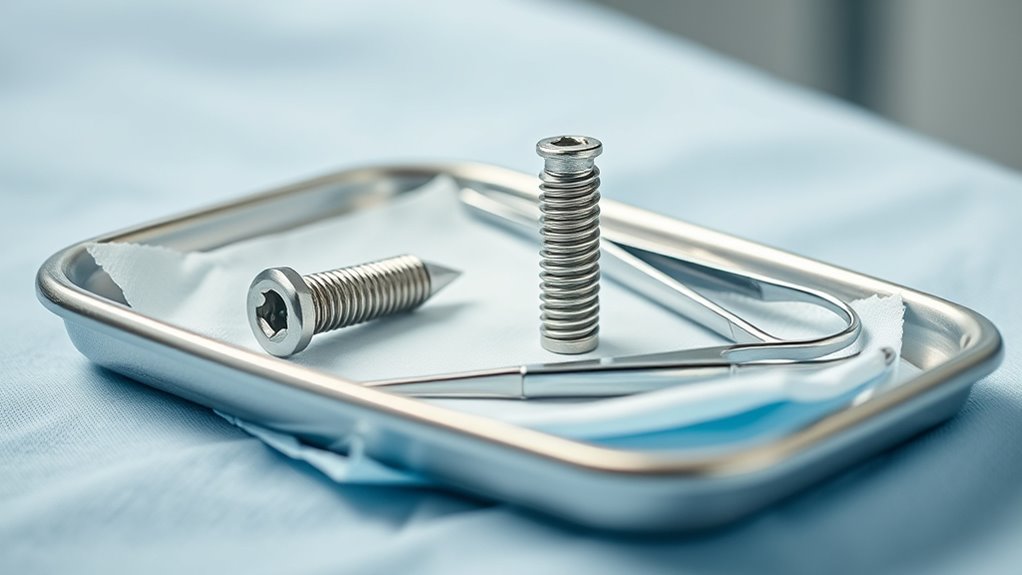
If screws irritate tissue, loosen, or block motion, surgeons can extract them via outpatient surgery. You’ll undergo imaging, discuss risks and benefits, and follow a brief rehab plan.
Many patients recover function quickly, though removal isn’t always necessary.
Who Asks About Ankle Screw Removal : And Why It Matters
You might be asking about screw removal because you’re still in pain and want relief.
Athletes often ask too, since getting back to sport can depend on hardware removal.
Surgeons ask the question from a clinical standpoint, weighing risks and benefits before recommending surgery.
Patients Seeking Pain Relief
When ankle screws cause persistent pain or limit your mobility, many patients ask whether removal will help—and that question matters because the decision affects recovery time, activity restrictions, and long-term function.
You’ll seek removal to relieve pain, reduce hardware irritation, and restore function.
Discuss nutritional support, alternative therapies, and realistic pain expectations with your surgeon before deciding on surgery or conservative care.
Athletes Wanting Return
Although returning to sport often feels urgent, athletes and their care teams should weigh ankle screw removal carefully because the choice affects timing, performance goals, and re-injury risk.
You’ll consider rehab timelines, ankle flexibility improvements, and how downtime impacts conditioning and sports nutrition plans.
Coaches, trainers, and athletes ask about removal to optimize performance while minimizing setbacks and guarantee a safe, evidence-based return.
Surgeons Evaluating Necessity
Athletes and their teams often bring up implant removal, but the final call rests with the surgeon, who evaluates whether screws are causing pain, limiting motion, or posing a mechanical risk.
You’ll discuss symptoms, imaging, ankle anatomy, and whether screw materials (titanium vs stainless steel) affect irritation or imaging.
The surgeon balances function, infection risk, and your activity goals before deciding.
Why Screws Are Implanted In The Ankle
Because screws stabilize fractured bone and hold surgical repairs in the right position, surgeons use them to restore ankle alignment and allow healing.
You rely on them for structural support, reduced motion at fusion sites, and precise fragment fixation.
Risks like hardware corrosion and healing complications are monitored.
- Stabilize fracture
- Maintain alignment
- Support fusion
- Enable early mobility
Common Reasons Patients Consider Ankle Screw Removal
If your ankle screws are causing pain, limiting motion, or irritating the skin, you’ll likely consider having them removed.
You might also seek removal because screws rub against an ankle brace, restrict activity, or provoke seasonal discomfort.
Low bone density, persistent stiffness, or patient preference after healing commonly influence the decision.
Discuss symptoms, activity goals, and imaging with your surgeon before deciding.
Medical Indications That Require Screw Removal
When screws cause infection, impinge on nearby nerves or tendons, or break and loosen inside the bone, your surgeon will usually recommend removal to prevent further harm.
- Persistent infection unresponsive to antibiotics.
- Hardware migration causing structural compromise.
- Allergic reaction to metal requiring explantation.
- Mechanical failure with pain limiting exercise routines.
Consider dietary supplements only after surgeon approval.
Symptom-Based Reasons To Remove Ankle Screws
Though some ankle screws stay trouble-free for years, you’ll want them removed if they start causing specific symptoms that affect daily life or recovery. Persistent pain, swelling, tendon irritation, skin breakdown, or limited motion justify evaluation.
You may try conservative fixes first—diet modifications, physical therapy, or alternative therapies—but ongoing functional limits, recurrent inflammation, or hardware prominence often mean removal is the best option.
When Leaving Ankle Screws In Is The Safer Choice
Because removing hardware carries its own risks, you’ll sometimes be safer keeping ankle screws in place—especially when they’re asymptomatic, well-integrated into bone, and not interfering with motion or daily activities. Consider these points:
- Minimal ankle swelling over time.
- Good screw durability without loosening.
- Low infection risk after healing.
- Avoiding surgical complications and recovery setbacks.
How Orthopedic Surgeons Decide Whether To Remove Screws
If you’re debating screw removal, surgeons weigh your symptoms, imaging, activity level, and overall health to decide whether the benefits outweigh the risks. They consider pain, hardware irritation, infection risk, and your goals—like returning to sport or travel. Diet plans or travel tips don’t change the decision, but overall fitness and plans do.
| Factor | Why it matters | Typical outcome |
|---|---|---|
| Pain | Drives removal | Possible relief |
| Infection | Requires action | Removal + antibiotics |
| Activity | Athlete vs sedentary | Tailored choice |
| Health | Surgery tolerance | Yes/no |
| Goals | Return to travel/sport | Influences plan |
Imaging Tests Used Before A Removal Decision
Before deciding to remove ankle screws, your surgeon will order targeted imaging to confirm healing, locate hardware, and spot complications like loosening or infection.
- X‑rays: check bone union and screw position.
- CT scan: assess subtle gaps or broken hardware.
- MRI: evaluate soft tissue, infection signs, and nearby tendons.
- Ultrasound: guide assessments of fluid or superficial problems.
Discuss dietary restrictions and alternative therapies with your team.
What A Preoperative Evaluation Looks Like
Before scheduling screw removal, your surgeon will review your medical history for things like prior ankle injuries, medications, allergies, and any conditions that affect healing.
Then they’ll perform a focused physical exam to check incision sites, range of motion, stability, and signs of infection or nerve irritation.
Together, this information helps decide whether removal is safe and likely to relieve your symptoms.
Medical History Review
When you come in for the preoperative evaluation, the medical history review zeroes in on conditions, medications, allergies, and past surgeries that could affect anesthesia, infection risk, or bone healing.
You’ll discuss diet considerations, alternative therapies, and smoking.
Items they confirm include:
- Current medications
- Allergies
- Chronic conditions
- Prior surgical/device history
Physical Examination Findings
Although your surgeon will tailor the exam to your injury and goals, they’ll systematically assess swelling, incision healing, range of motion, strength, neurovascular status, gait, and tenderness at the screw sites to decide if removal is appropriate. You’ll be checked for ankle flexibility, signs of screw corrosion, localized pain, and hardware prominence to guide timing and risks.
| Finding | Significance |
|---|---|
| Reduced range | Limits removal benefit |
| Corrosion | Increases infection risk |
Types Of Screws And Implants Used In The Ankle
Because ankle injuries and deformities vary, surgeons choose from several screw and implant types to match the specific bone, joint, and fixation needs. You’ll see options that balance stability and implant longevity while addressing ankle screw myths.
Consider these common choices:
- Cortical screws
- Cancellous screws
- Cannulated screws
- Plates with locking screws
How Screw Type Affects Removability And Outcome
When you consider screw removal, the material matters because titanium, stainless steel, and bioabsorbable options behave differently in bone and soft tissue.
Thread design and tip shape affect how securely a screw grips and how easily it backs out or needs cutting during removal.
Surface coatings that encourage bone ingrowth can make removal harder, while non-porous finishes usually simplify the process.
Screw Material Differences
Different metals and alloys change how easily screws come out and what happens afterward, so it’s important you know which type is in your ankle. You’ll see differences in fixation, imaging, and reaction. Consider these factors:
- Stainless steel — strong, may show implant corrosion.
- Titanium — less reactive, easier on bone.
- Bioabsorbable — dissolves over time.
- Cobalt-chrome — very durable, removal harder.
Thread Design Impact
Although thread geometry might seem like a small detail, it strongly affects how easily a surgeon can back a screw out and how the bone responds afterward.
You’ll find coarse threads engage cancellous bone firmly, fine threads suit cortical fixation, and tapered profiles ease removal.
Thread design interacts with material compatibility to influence torque, stripping risk, and stability, guiding your surgeon’s choice for the most favorable outcome.
Coating And Ingrowth
If a screw has a porous or hydroxyapatite coating designed for bone ingrowth, you’ll likely face more resistance during removal because bone can grow into the surface and lock the implant in place.
Consider:
- Evaluate ankle coating type.
- Anticipate increased extraction force.
- Discuss ingrowth prevention options pre-op.
- Plan imaging and specialized tools.
Non-Surgical Alternatives To Ankle Screw Removal
When you’re hesitant about another operation, several non-surgical options can help manage pain and improve function without removing ankle screws.
You can try physical therapy, targeted exercises, bracing, corticosteroid injections, and pain management strategies.
Alternative therapies like acupuncture or ultrasound may provide relief, and some people use herbal remedies alongside medical care.
Discuss risks and interactions with your clinician before starting anything new.
Timing: How Long After Surgery Can Screws Be Removed?
Deciding when to remove ankle screws depends on how well your bone has healed, your symptoms, and your surgeon’s judgment. Most removals happen between 6 and 18 months after the original surgery once X-rays show solid union and you’ve regained stable function.
- Assess bone healing and screw stability.
- Track persistent pain or irritation from ankle hardware.
- Confirm functional stability and mobility.
- Plan removal when risks are low and benefits are clear.
Elective Vs Urgent Removal: What’s The Difference?
You’ll usually schedule elective removal based on timing and how the implant affects your comfort or activity.
Urgent removal is prioritized when complications like infection or hardware failure occur.
You’ll weigh risks and benefits with your surgeon—elective cases let you plan recovery, urgent cases focus on preventing harm.
Understanding these differences helps you set expectations for timing, risks, and recovery.
Timing And Prioritization
If screw removal is needed, the timing depends on whether it’s elective or urgent: elective removals are planned procedures for comfort or hardware irritation, while urgent removals address immediate problems like infection, hardware failure, or compromised circulation.
- You wait for bone healing before elective removal.
- Urgent cases override wait times.
- Infection prevention guides timing.
- Your surgeon prioritizes function and safety.
Risks And Considerations
Although elective and urgent screw removals both aim to protect your ankle, they carry different risks and decision factors you’ll want to understand.
If you choose elective removal, you’ll weigh pain relief, infection risk, and Cultural beliefs influencing acceptability.
Urgent removal focuses on preventing damage or sepsis.
Also consider Legal considerations like consent, liability, insurance coverage, and documentation before proceeding.
What To Expect During The Removal Procedure
When you arrive for the removal, the surgeon will review your medical history, explain the steps, and answer any questions before starting.
Then they’ll numb or sedate the area depending on the procedure.
You’ll experience a short incision, hardware extraction, and closure.
Expect monitoring and brief recovery.
Factors like ankle joint stability and screw material durability affect technique.
- Prep
- Extraction
- Closure
- Recovery
Anesthesia Options For Ankle Screw Removal
Now that you know the basic steps of screw removal, you’ll also want to understand anesthesia choices and how they affect comfort, recovery, and risk.
You’ll typically get local, regional (nerve block), or general anesthesia. Discuss anesthesia options with your surgeon and anesthesiologist to match medical history and pain management goals.
Each choice balances effectiveness, side effects, and recovery speed.
Typical Operative Steps And How Long The Surgery Takes
Before surgery, you’ll have simple prep like fasting, medication review, and skin cleaning at the operative site.
During the procedure your surgeon will reopen the old incision or make a small new one, expose the screw head, use a driver to remove it, and close the wound—usually under regional or general anesthesia.
Most straightforward removals take about 30 to 90 minutes, though complexity or additional fixation issues can extend that time.
Preoperative Preparation Steps
Although the idea of having ankle screws removed might feel intimidating, your surgical team will walk you through concise preoperative steps so you’re prepared and risks are minimized.
- Follow diet restrictions: no food after midnight unless told otherwise.
- Stop certain meds as instructed; bring medication list.
- Arrange travel preparations and a ride home; plan post-op help.
- Complete consent, pre-op tests, and hygiene instructions.
Expected Operative Duration
With your pre-op steps completed and logistics settled, you’ll want to know how long the screw removal takes and what happens in the OR.
You’ll be prepped, anesthetized, and the surgeon will expose the hardware, remove screws, irrigate, and close.
Typical time is 30–90 minutes depending on scar tissue and bone healing.
Recovery in PACU follows brief monitoring.
Outpatient Vs Inpatient Removal: Which Applies To You?
Deciding whether your screw removal happens as an outpatient or requires a hospital stay comes down to your overall health, the complexity of the procedure, and how your surgeon plans to manage anesthesia and possible complications.
Whether screw removal is outpatient or inpatient depends on your health, procedure complexity, and anesthesia/complication plans.
Consider:
- Your medical history and comorbidities.
- Dietary restrictions and anesthesia fasting.
- Travel considerations and distance from care.
- Expected need for overnight monitoring or pain control.
Recovery Timeline In The First Two Weeks After Removal
In the first two weeks after ankle screw removal you’ll focus on pain control, wound care, and gradually restoring mobility under your surgeon’s guidance.
Expect mild ankle swelling, bruising, and intermittent sharp twinges tied to screw design and hardware irritation history.
You’ll keep dressings clean, follow prescribed analgesics, limit weightbearing as directed, and attend follow-up so the surgeon can check healing and adjust activity.
Rehabilitation Milestones For The First 6–12 Weeks
As you move into weeks 6–12 after screw removal, your rehab shifts from protected healing to progressively restoring strength, range of motion, and functional mobility under your surgeon or therapist’s plan.
- Gradual range work to regain ankle flexibility.
- Strengthening plantarflexors/dorsiflexors with resistance.
- Balance and proprioception drills for stability.
- Monitor scar, pain, and any issues related to screw design or residual hardware.
When You Can Bear Weight And Resume Walking
Having rebuilt flexibility, strength, and balance by weeks 6–12, you’ll next focus on safely putting weight through the ankle and returning to walking.
Your surgeon or therapist will set weight-bearing limits based on how the bone and soft tissues healed and whether any hardware remains.
You’ll progress from partial to full weight bearing as pain, swelling, and stability allow, especially after ankle sprains or sports injuries.
Return-To-Work And Driving Guidelines After Removal
Once your screws are removed and your surgeon clears you, you’ll get specific timelines for going back to work and driving based on pain, strength, and ankle range of motion.
Follow practical steps:
- Start with light duties; avoid standing all day.
- Resume driving only when braking is painless and reflexes are normal.
- Consider diet modifications to aid healing.
- Seek psychological support for anxiety about re-injury.
Physical Therapy: Goals And Common Exercises
After screw removal you’ll work with a therapist to restore ankle range of motion, build strength and stability, and retrain gait and balance.
Your program will use targeted exercises like ankle circles and calf stretches, resisted strengthening, single-leg stands, and walking drills.
Stick with the plan and progress as instructed to regain function safely.
Range Of Motion
Because stiffness and swelling can limit how you move, restoring ankle range of motion is a primary PT goal after screw removal or hardware retention. You’ll work to regain ankle flexibility while monitoring pain and signs of screw corrosion.
Common exercises include:
- Ankle pumps
- Alphabet tracing with foot
- Seated dorsiflexion stretches
- Gentle circular rotations
Strength And Stability
Regaining range of motion sets the stage for rebuilding strength and stability around your ankle, which helps protect the joint and reduces reinjury risk.
You’ll progress from isometrics to resisted bands, calf raises, and single-leg hops as tolerated.
Emphasize controlled loading, maintain ankle flexibility, and consult your surgeon about activity limits related to screw design to avoid stressing hardware during recovery.
Gait And Balance
When you start working on gait and balance, your therapist will focus on retraining safe walking mechanics and improving your steadiness on uneven surfaces and during turns.
You’ll also address altered ankle biomechanics after hardware and monitor discomfort or signs of screw corrosion.
Exercises may include:
- Heel-to-toe walking
- Single-leg stance
- Lateral steps
- Treadmill with incline adjustments
Pain Management Strategies After Screw Removal
After screw removal, you’ll likely face some soreness and stiffness that peaks in the first few days, so planning pain control ahead helps you stay comfortable and mobile.
Use prescribed painkillers, ice, elevation, and gentle movement.
Consider music therapy for relaxation and reduced perception of pain, and discuss safe nutritional supplements that support healing with your surgeon or pharmacist to avoid interactions.
Potential Complications And How Common They Are
Though most people heal without major issues, you should know the possible complications from ankle screw removal so you can watch for them and act quickly if they appear.
- Persistent pain linked to screw design or soft tissue irritation.
- Hardware breakage during extraction.
- Delayed bone healing or nonunion.
- Nerve irritation or numbness around the incision site.
Talk to your surgeon about risks and monitoring.
Signs Of Infection Or Failed Healing After Removal
After screw removal, watch your ankle closely for signs that healing isn’t going well.
If you notice increasing redness or swelling, persistent or worsening pain, or any drainage with a foul smell, contact your doctor right away.
These symptoms can indicate infection or failed healing and usually need prompt treatment.
Increasing Redness Or Swelling
If you notice increasing redness or swelling around the ankle after screw removal, it can signal infection or that the bone and soft tissues aren’t healing properly.
- Redness concern: note spreading, warmth, or streaks.
- Swelling assessment: compare both ankles and measure daily.
- Look for drainage or fever.
- Contact your surgeon promptly for evaluation and antibiotics or imaging.
Persistent Or Worsening Pain
When pain around your ankle keeps getting worse or doesn’t ease with time, it can mean infection or that the bone and soft tissues haven’t healed properly after screw removal.
You should contact your surgeon promptly; they’ll assess for infection, nonunion, or hardware irritation.
Don’t rely solely on alternative therapies—use them only alongside medical care—and adopt lifestyle modifications like smoking cessation and rest to aid recovery.
Drainage Or Foul Smell
Noticing drainage or a foul smell from your ankle wound is a clear sign something’s wrong and you should act quickly. You might have an infection, screw discoloration, or a hardware allergy.
Do this:
- Contact your surgeon immediately.
- Avoid touching the wound.
- Photograph drainage and odor source.
- Seek urgent antibiotics or removal if cultures show infection.
Long-Term Outcomes And Function After Screw Removal
Although recovery varies, most people who’ve screws removed from the ankle regain durable function and report reduced irritation or pain from hardware, especially when removal addresses specific symptoms like prominence or soft-tissue irritation.
You’ll likely notice improved comfort as bone healing completes and scar tissue remodels.
Strength, range of motion, and activity tolerance usually return gradually with rehab and time.
How Removal Affects Future Ankle Surgery Options
If you’re considering screw removal, know it can change the available bone stock for future procedures. That loss or alteration of bone may limit where and how surgeons can place new fixation.
Discussing prior hardware and bone quality with your surgeon helps you plan realistic options for future ankle surgery.
Impact On Bone Stock
When screws are taken out, they leave behind holes and altered bone that can change the options available for future ankle surgery. You’ll notice bone impact and reduced screw stability where hardware sat.
Consider:
- Decreased local bone density
- Stress risers at screw holes
- Need for bone grafting sometimes
- Altered fixation planning based on residual bone quality
Options For Future Fixation
Because removing screws changes the bone you’re working with, your surgeon will reassess fixation choices based on hole location, bone quality, and planned procedure. You’ll discuss options like revision screws, plates, bone grafts, or external fixation. Consider Alternative therapies and Lifestyle modifications for recovery and strength. Visualize choices:
| Option | Bone need | Recovery |
|---|---|---|
| Revision screws | Moderate | Weeks |
| Plate | High | Months |
| External fixator | Variable | Months |
Special Considerations For Smokers, Diabetics, And The Elderly
Although most ankle hardware removals follow similar steps, smokers, people with diabetes, and older adults need extra assessment and tailored planning.
You should expect focused evaluation of ankle swelling and screw corrosion, infection risk, bone quality, and healing capacity.
Consider these factors when planning removal:
- Vascular and wound risk
- Glycemic control
- Bone density and fixation
- Smoking cessation timing
Pediatric Considerations For Ankle Hardware Removal
If your child needs ankle hardware removed, you’ll want a team experienced in pediatric bone growth and implant management guiding the plan.
You’ll discuss timing around growth plates, implant position, and imaging to minimize disruption.
Expect attention to pediatric pain control, age-appropriate anesthesia, and activity restrictions.
Follow-up focuses on monitoring healing and growth considerations to avoid long-term deformity or functional limits.
How Implant Removal Impacts Ankle Stability And Arthritis Risk
When you have ankle hardware removed, you may notice immediate changes in stability—some people feel looser while others feel no difference.
Over the long term, removal can influence arthritis risk depending on joint alignment, cartilage health, and how well the bone healed around the implant.
We’ll look at those factors and how they shape outcomes so you can weigh the benefits and risks.
Immediate Stability Changes
Because the hardware has been supporting bone alignment and joint mechanics, taking screws out can produce an immediate change in how your ankle bears weight and moves. You may notice altered stability, reduced pain from screw corrosion, or transient ankle swelling.
Immediate effects include:
- Changed gait patterns
- Localized weakness
- Temporary stiffness
- Neurovascular sensitivity
Long-Term Arthritis Risk
Although removing ankle screws can relieve hardware-related pain, it can also change joint mechanics in ways that affect long-term arthritis risk. You may feel less hardware irritation, but altered load distribution or subtle instability could accelerate cartilage wear.
Discuss risks with your surgeon, weigh symptom relief against potential progression to long term arthritis, and follow rehab to optimize alignment and joint protection.
Factors Affecting Outcomes
You’ve already weighed how removal can relieve irritation but potentially change joint mechanics; now consider the specific factors that determine whether that change helps or harms your ankle.
- Bone quality—osteoporosis raises instability risk.
- Hardware position—misplaced screws affect alignment.
- Rehab adherence—physical therapy, alternative therapies, and strengthening matter.
- Lifestyle—weight, diet modifications, and activity choices influence arthritis progression.
How Much Does Removal Cost? (Surgeon, Facility, Anesthesia)
One factor you’ll want to budget for is the combined cost of the surgeon, facility, and anesthesia, since each is billed separately and can vary widely depending on location and complexity.
Get a cost comparison from providers and ask about typical ranges.
Check your insurance coverage limits and out-of-pocket responsibilities, and request itemized estimates to avoid surprise fees before scheduling removal.
Insurance Coverage: What Insurers Typically Pay For
After you’ve gathered itemized estimates for surgeon, facility, and anesthesia fees, the next step is to check what your insurer will actually cover for hardware removal. Review insurance coverage policies and surgical billing codes; call your insurer for preauthorization.
Consider:
- Preauthorization requirements
- In-network vs out-of-network fees
- Covered services (implant removal, anesthesia)
- Deductibles, coinsurance, and billing disputes
Out-Of-Pocket Cost Ranges By Country Or Care Setting
While prices can vary widely, knowing typical out-of-pocket ranges by country and care setting helps you plan and compare options for ankle screw removal.
You’ll usually pay less in public hospitals or countries with universal care, more in private clinics or without coverage.
Seek cost transparency, review insurance policies for exclusions, and budget for surgeon, facility, anesthesia, and follow-up fees when estimating your personal expense.
How To Talk To Your Insurer And Get Prior Authorization
Now that you’ve scoped likely out-of-pocket costs, it’s time to bring your insurer into the conversation so you don’t get surprised by denials or unexpected bills. Contact member services, confirm policy coverage for hardware removal, and request prior authorization in writing. Keep records for insurance claims.
- Gather surgeon notes
- Submit PA request
- Follow up weekly
- Appeal if denied
Ways To Reduce Costs Without Sacrificing Care Quality
If you want to lower the cost of ankle hardware removal without compromising care, focus on smart choices that maintain quality.
Compare facility fees, ask about bundled pricing, and choose experienced surgeons to avoid complications.
Consider nonprescription dietary supplements and vetted alternative therapies for pain control during recovery, but discuss them with your surgeon to guarantee safety and avoid interfering with healing.
Questions To Ask Your Surgeon Before Agreeing To Removal
Before you agree to have ankle screws removed, ask your surgeon to explain the specific risks and benefits for your case and how removal might change pain, mobility, or future fracture risk.
Ask what the typical postoperative recovery looks like, including expected pain, time off work, weight-bearing restrictions, and follow-up visits.
Make sure you understand alternatives, how complications would be handled, and the signs that should prompt immediate care.
Surgery Risks And Benefits
When you’re considering screw removal from your ankle, it’s important to weigh the potential benefits—reduced pain, improved mobility, and lower infection risk—against the surgical risks like nerve damage, stiffness, or recurrence of symptoms.
Asking targeted questions helps you and your surgeon decide whether removal is the right step.
- Ask about expected benefit magnitude.
- Discuss nerve and vascular risks.
- Explore Diet modifications, alternative therapies.
- Query revision or hardware retention plans.
Postoperative Recovery Expectations
Because recovery varies by the extent of surgery and your health, you should ask specific, practical questions about what to expect after screw removal.
Ask about pain timeline, weight‑bearing limits, wound care, expected follow‑up visits, and any required physical therapy.
Clarify dietary restrictions, medication interactions, and signs of complications.
Also discuss available emotional support and realistic return‑to‑work timelines.
How To Prepare At Home For Surgery And The First Week Post-Op
Getting your home ready and planning the first week after ankle screw removal will make recovery smoother and reduce stress, so set up a clear plan for mobility, wound care, pain control, and household help.
- Prepare crutches, shower chair, and reachable supplies.
- Stock easy meals; dietary modifications support healing.
- Arrange help for errands and stairs.
- Gather bandages, ice packs, and vetted home remedies for swelling and comfort.
Red Flags That Warrant Urgent Follow-Up After Removal
Preparing your home and support network helps a lot, but you also need to know which signs require immediate medical attention.
Call your surgeon if you have worsening pain, increasing swelling, fever, drainage, numbness, or loss of movement.
Any sudden instability or grinding in the ankle joint, or concerns about screw stability and hardware exposure, needs urgent evaluation to prevent complications.
Patient Case Examples: Removal Reasons And Outcomes
You’ll see common reasons people choose screw removal—persistent pain, irritation from hardware, infection, or interference with footwear and activity.
We’ll look at typical outcomes after removal, including pain relief timelines, infection resolution, and possible need for further procedures.
This will help you weigh risks and realistic expectations if you’re considering removal.
Reasons For Removal
Why might screws be taken out of your ankle? Historical cases and cultural perspectives show varied motives. Common reasons include:
- Pain or irritation at the hardware site.
- Infection around the screws.
- Hardware loosening or breakage.
- Patient preference due to activity limitations or metal sensitivity.
Your surgeon will weigh risks and benefits before recommending removal.
Post-Removal Outcomes
Although outcomes vary with the reason for removal, many patients regain comfort and function after ankle screws are taken out.
You might resume activities faster if pain was the issue; hardware-related irritation often resolves.
Some use dietary supplements to support bone health during recovery.
Cosmetic considerations matter too—scar appearance and contour changes are common, so discuss expectations and wound care with your surgeon.
Decision Checklist To Help You And Your Care Team Choose
Before deciding whether to remove ankle screws, gather key facts about your pain, function, imaging results, infection risk, and the surgeon’s experience so you can weigh benefits and risks with your care team.
- Current pain and mobility levels.
- Imaging and hardware position.
- Infection signs and systemic risks.
- Nonoperative options: diet modifications, alternative therapies, and rehab plans.
Frequently Asked Questions
Can Ankle Screw Removal Affect Metal Detector Alerts or Airport Security Screenings?
Yes — your ankle screws rarely trigger metal detector interference, but you should tell TSA and follow airport screening procedures; you’ll likely get a pat-down or hand-screening, and you can carry surgical implant documentation to speed things.
Will Screw Removal Change My Footwear Options or Require Shoe Modifications?
Yes — after screw removal you’ll usually regain more comfort and flexibility, so you’ll need fewer footwear adjustments; some temporary shoe modifications (extra cushioning, wider toe box, orthotic inserts) might still help during healing and activity shift.
Are There Restrictions for Flying or Travel Shortly After Screw Removal?
You can usually fly after initial healing, but you’ll face travel restrictions and flight safety considerations; you’ll need medical clearance, possible compression, and careful timing, and you shouldn’t travel during active infection, severe swelling, or within immediate postoperative days.
Can Retained Screws Interfere With Pregnancy, Labor, or Delivery?
Generally, retained screws won’t block pregnancy, labor, or delivery, but you should watch osteoporosis concerns and infection risks; your obstetrician and orthopedist will assess bone strength, potential infection, and delivery plan to keep you safe.
Will Removal Impact Eligibility for Military or Athletic Team Physicals?
Usually no — removal rarely affects military or team physicals. You’ll discuss medical implications with evaluators; once healed, physical activity restrictions typically lift. Teams or services may require documentation, so plan follow-up and records.
Conclusion
You can usually have ankle screws removed if they cause pain, restrict motion, or become infected, though most stay in without trouble. About 10–20% of patients ultimately request removal for discomfort or hardware irritation, so talk it over with your surgeon. Plan for a short outpatient procedure and several weeks of limited weight-bearing. Use the decision checklist to weigh risks, benefits, and recovery expectations with your care team.