Yes — you can cork a screw‑top bottle in a pinch, and doing so with the right stopper or transfer technique will keep the wine drinkable for days rather than hours. Use a snug silicone or rubber stopper, or transfer to a smaller airtight container to minimize headspace, then chill. Avoid forcing an actual cork into a threaded neck; that risks leaks. Keep seals clean and check for seepage, and if you want more tips you’ll find practical step‑by‑step methods ahead.
Quick Answer: Can You Cork a Screw‑Top Wine Bottle?
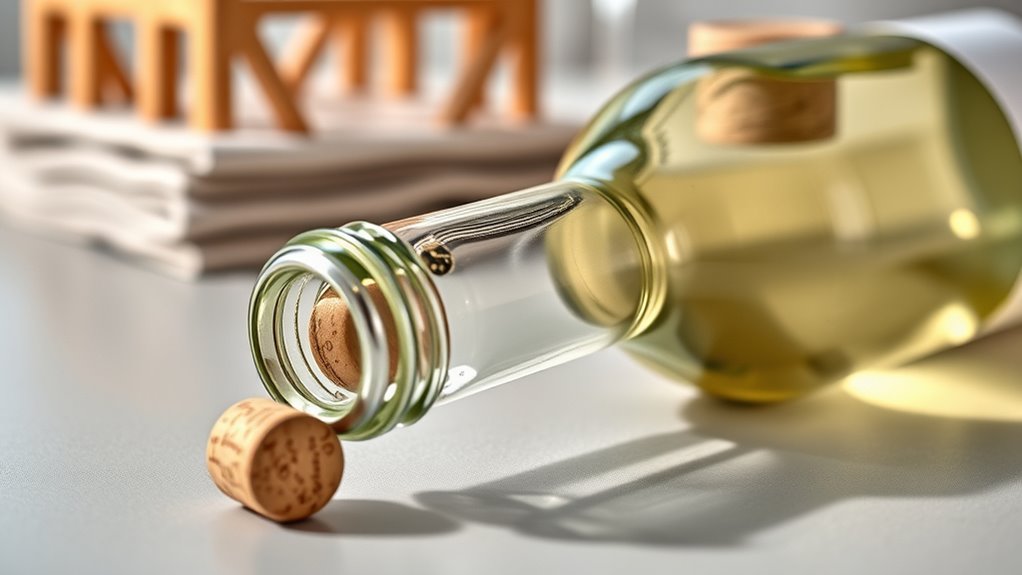
Yes—you can cork a screw‑top wine bottle, but it’s usually unnecessary and can be tricky to do securely. If you choose to, test fit corks that won’t split and monitor seal integrity.
Corking can slightly alter micro-oxygenation, so note changes during vintage evaluation. For short-term storage it’s fine, but focus more on proper temperature, positioning, and wine pairing to preserve character.
What This Guide Covers and How to Use It
Before you start corking, this guide lays out what you’ll need, when corking makes sense, and step‑by‑step methods so you can choose the right approach for your bottle and goals.
You’ll learn quick tools, pros and cons, and storage tips. Use this to preserve bottles after tastings, plan wine pairing experiments, or document notes from vineyard tours for future resealing decisions.
When to Reseal a Screw‑Top Bottle vs Transfer Wine
When deciding whether to reseal a screw‑top bottle or transfer the wine, weigh how long you need to preserve it and how much handling you’re willing to do; resealing works well for short‑term storage or partial bottles, while transferring is better when you want to minimize oxygen contact for longer aging or higher‑value wines.
| Option | Best for | Notes |
|---|---|---|
| Reseal | Short-term | Quick, keep bottle labeling |
| Transfer | Long-term | Limits oxygen, respects wine fermentation characteristics |
Oxidation in Opened Screw‑Top Bottles
When you open a screw‑top bottle, oxygen starts reacting with the wine immediately. The rate of exposure depends on how much headspace you leave.
That oxidation can dull fresh aromatics, turn fruit notes into cooked or nutty flavors, and change texture.
You can slow it with simple steps like minimizing headspace, using inert‑gas sprays, or keeping the bottle chilled and tightly sealed.
Rate Of Oxygen Exposure
How quickly does oxygen get into an opened screw‑top bottle, and why does that matter for the wine? You’ll find ingress occurs within hours to days depending on headspace and seal.
Oxygen interacts with wine compounds shaped by wine fermentation and vineyard climate, accelerating change.
You should minimize headspace, reseal tightly, and refrigerate to slow oxidation rates and preserve structure.
Effects On Wine Aromatics
Because oxygen reacts quickly with volatile aromatics and phenolic compounds, an opened screw‑top bottle can lose bright fruit and develop stale, nutty, or bruised notes within days.
You’ll notice delicate floral and citrus lift fade, altering wine pairing choices. These shifts reflect wine chemistry and, indirectly, vineyard practices that shaped phenolic balance—so you’ll taste both cellar handling and field decisions in every diminished glass.
Simple Preservation Methods
If you want to keep an opened screw‑top bottle tasting fresh for a few days, pick a couple of simple preservation moves and use them consistently. You’ll slow oxidation and enjoy wine pairing without waste, whether reminiscing about vineyard tours or planning the next.
Try these quick steps:
- Recap tightly and refrigerate upright.
- Use a vacuum pump.
- Transfer to a smaller bottle to limit air.
Pressure and Leaks: Screw Caps vs Corks
When you compare screw caps and corks, you’ll notice they maintain seal integrity differently: screw caps rely on a uniform metal-to-polymer fit, while corks compress and can develop gaps.
Changes in temperature or bottle pressure affect them differently, with trapped gas or vacuum shifting the seal and sometimes causing leaks.
Let’s examine how those pressure changes translate to real-world leakage risks and when one closure might outperform the other.
Seal Integrity Differences
Although both closures aim to keep wine intact, screw caps and corks behave very differently under pressure and when it comes to leakage. You’ll notice seal integrity affects freshness, storage choices, wine labeling clarity, and bottle recycling decisions.
Consider how each closure performs:
- Screw caps: consistent seal, minimal seepage.
- Corks: variable seal, possible micro-leaks.
- Hybrid solutions: trade-offs between tradition and reliability.
Pressure Change Effects
Seal integrity shapes how closures respond to pressure changes, so it’s worth looking at how screw caps and corks handle expanding or contracting gas volumes.
You’ll notice pressure fluctuations push more on corks, which can wobble or seep if grain or seal fails.
Screw caps rely on cap elasticity and thread seal; they usually flex without leaking, though overtension or damage can compromise the seal.
Tools to Reseal a Screw‑Top Bottle
If you want to keep wine fresh after opening a screw‑top bottle, a few simple tools will make resealing easy and effective. You’ll use gadgets that preserve flavor whether you learned about wine pairing on vineyard tours or at home.
Try these:
- Vacuum pump: removes air to slow oxidation.
- Silicone stopper: snug, reusable seal.
- Wine preserver spray: adds inert gas barrier.
Can You Force an Actual Cork Into a Screw‑Top?
You can physically push a real cork into a screw‑top bottle, but it’s usually a poor idea. You risk cracking the cork, deforming the neck, and creating a weak seal that leaks or lets air in.
Instead, consider a proper cork alternative or use a decorative cap for bottle decoration. For safety and preservation, choose designed stoppers rather than forcing corks.
Choosing the Right Stopper Size for a Screw‑Top Neck
When selecting a stopper, match its diameter and neck profile to the screw‑top bottle so it sits snugly without forcing. Measure the bottle’s inner lip and outer threads, then pick a stopper listed for that size or slightly compressible to accommodate minor variations.
- Confirm material compatibility with bottle design.
- Choose a shape that preserves aromas for wine tasting.
- Test fit gently to avoid stripping threads.
Rubber Wine Stoppers: Step‑By‑Step Resealing Method
Though simple in design, rubber wine stoppers give you a reliable way to reseal screw‑top bottles without compromising flavor. Choose the correct size, clean the stopper, and press firmly into the neck.
Store upright or chilled depending on the bottle. Note that short reseals suit casual wine pairing decisions, but don’t expect long preservation—consider grape varieties and meant drinking windows when planning.
Silicone Stoppers: Benefits and Best Practices
Because silicone molds to the bottle neck and creates an airtight seal, it’s a top choice for resealing screw‑top wines. You’ll appreciate scent masking and stopper durability; silicone’s flexibility prevents leaks and limits oxidation.
Silicone forms an airtight seal on screw‑top wines, masking odors, preventing leaks, and reducing oxidation for lasting freshness.
Use it this way:
- Push firmly until snug.
- Clean between uses to avoid odor transfer.
- Replace if torn to maintain performance.
Vacuum Pumps for Screw‑Top Bottles: How They Work
If you want to slow oxidation in a screw‑top bottle, a vacuum pump removes air above the wine to reduce exposure to oxygen. You insert a stopper and pump until pressure drops, slowing spoilage without altering wine fermentation traits developed in the bottle.
It’s a practical, low‑tech step complementary to vineyard management practices that aim to protect wine quality from vine to cellar.
Argon Gas Sprays: Preserving Aroma and Flavor
When you spray argon into an opened screw‑top bottle, the heavier inert gas blankets the wine and pushes oxygen out. This helps preserve delicate aromas and flavors without changing the wine’s chemistry.
Spraying argon into an open screw‑top bottle blankets wine, displacing oxygen to preserve delicate aromas and flavors.
You can use it after pouring a glass, and it won’t affect wine fermentation notes or bottle labeling you keep for records.
- Quick to apply
- Neutral gas protection
- Good for short‑term storage
Wine Preserver Sprays vs Physical Stoppers: Which to Pick
Deciding between a wine preserver spray and a physical stopper comes down to how long you plan to keep the bottle and how much convenience you want. You’ll choose sprays for short-term aroma protection and to avoid disturbing wine fermentation aromas; stoppers suit longer storage and clear bottle labeling.
| Option | Best for |
|---|---|
| Spray | Short-term freshness |
| Stopper | Longer storage |
| Both | Labeling needs |
| Tip | Check fermentation notes |
Re‑Capping With the Original Screw Cap: Proper Technique
When you screw the original cap back on, start by aligning the threads so it seats smoothly.
Turn it until it feels snug, but don’t overforce or crank it down — that can strip the threads or distort the seal.
A firm, controlled motion is all you need to restore a proper closure.
Align Threads Carefully
Want a snug, leak-free reseal? Align the cap so threads meet smoothly; mismatched turns cause leaks and strip ribs. Check bottle labeling to confirm original orientation before recapping. Follow these quick steps:
- Hold cap straight over neck, eyeing thread alignment.
- Start gently to feel correct engagement.
- Stop and re-seat if the cap binds or tilts.
Tighten Without Overforcing
Although you need a firm seal to prevent leaks, you shouldn’t crank the cap down until it feels forced; instead, tighten it with steady, even pressure until you meet gentle resistance and then stop.
Treat the screw cap like a precision finish, remembering that oxygen control affects wine fermentation, and that knowledge from cork manufacturing about sealing and headspace informs gentle, consistent re‑capping.
Five DIY Seals From Household Items
Curious how you can keep a screw-top wine bottle sealed without a cork? You can fashion quick, effective seals from items at home while noting Wine fermentation signs and updating Bottle labeling after resealing.
Curious how to reseal a screw-top wine bottle without a cork? Quick home fixes, fermentation tips, and relabeling reminders.
- Aluminum foil cap: mold and press
- Silicone band: cut from jar gasket
- Cork substitute: tightly rolled paper wrapped in wax
Use gentle pressure; don’t force closures.
Plastic Wrap and Rubber Band: Temporary Seal Method
If you need a quick, temporary seal, stretch a piece of plastic wrap over the bottle mouth and secure it with a snug rubber band so air stays out and spills stay in. This quick fix preserves freshness briefly and prevents drips. Use clean wrap, tight rubber band, and label the bottle for short-term storage.
| Step | Material | Tip |
|---|---|---|
| 1 | Plastic wrap | Clean surface |
| 2 | Rubber band | Snug fit |
| 3 | Label | Date bottle |
Aluminum Foil Techniques for Short‑Term Transport
Want a quick, sturdy way to keep a screw‑top wine bottle sealed for short trips? Wrap the cap with Aluminum foil snugly, smoothing edges to prevent leaks for short term transport.
Use these steps:
- Clean rim, press foil tightly over cap.
- Fold excess under bottle neck for stability.
- Add a small piece of tape over foil for extra hold.
Heat‑Shrink Solutions for a Tighter Temporary Seal
Looking for a more secure short‑term seal than foil? You can heat‑shrink a food‑grade sleeve over the screw cap to tighten the closure, blocking light and reducing air exchange during brief storage.
This technique borrows from wine fermentation hygiene and vineyard management attention to contaminant control. Use low heat, avoid deforming the cap, and remove sleeves before long‑term aging to prevent trapped odors.
Mimic a Cork on a Screw‑Top With Decorative Stoppers
You can give a screw‑top bottle the look and feel of a cork by using decorative wine bottle stoppers that fit snugly into the opening. Consider DIY cork‑style adapters—like foam or silicone inserts glued to a decorative topper—to create a tight seal and a classic appearance.
Try a few styles to find one that seals well and matches your bottle’s aesthetic.
Decorative Wine Bottle Stoppers
While screw-top bottles seal well, adding a decorative stopper gives them the look and ritual of a corked bottle without sacrificing convenience. You can pair stoppers with vintage labeling after careful bottle cleaning to preserve aesthetics.
Choose metal-topped, glass, or silicone stoppers for flair and function.
- Metal-topped
- Glass
- Silicone
DIY Cork‑Style Adapters
If you like the ritual of a cork but want to keep a screw-top’s convenience, you can make adapters that mimic a cork’s feel and appearance while fitting threaded necks.
Use cork plugs or food-safe silicone glued into decorative wooden or metal tops.
Customize colors to match wine pairing notes or grape varieties, label adapters for reuse, and seal snugly to preserve aroma and prevent leaks.
Aesthetic Corking: Faux Corks and Reusable Toppers
Though they don’t seal like corked glass, faux corks and reusable toppers give your screw-top bottles a polished, traditional look while letting you open and reseal them easily. You’ll enjoy style and convenience; decorative toppers add charm without permanence.
Faux corks and reusable toppers lend screw-top bottles a classic, polished look—stylish, convenient, and easily resealable.
- Faux corks for aesthetics
- Silicone stoppers for reuse
- Metal decorative toppers for gifting
Safety Tips for Resealing to Avoid Contamination
Before resealing, wash your hands and any tools you’ll use so you don’t introduce bacteria.
Check the bottle rim and threads for chips or cracks that could harbor contaminants or cause a poor seal.
Always choose food-safe closures designed for wine to keep the bottle sanitary and the seal secure.
Clean Hands And Tools
While you’re handling the bottle and cork, wash your hands thoroughly with soap and warm water for at least 20 seconds and dry them with a clean towel or disposable paper towels. Maintain hand hygiene and tool sterilization to prevent contamination.
Clean surfaces, then:
- Sanitize corks and tools with boiling water or food-safe sanitizer.
- Use clean, dry towels.
- Avoid touching bottle rims directly.
Inspect For Bottle Damage
Now that your hands and tools are clean, check the bottle itself for any damage that could let contaminants in or cause injury when resealing. Inspect neck chips, cracks, or warped threads closely.
Verify bottle labeling for tamper signs, residue, or mold. Do a quick glass cleaning wipe to remove debris.
Discard bottles with structural damage or unclear labeling to avoid contamination and injury.
Use Food-Safe Closures
Because the seal you choose determines how well the bottle stays uncontaminated, use only food-safe closures designed for wine and beverages. You’ll prevent taint and microbial risk, and preserve aromas important for wine pairing and glass design considerations.
- Choose silicone stoppers rated for food contact.
- Prefer stainless or food-grade corks.
- Clean closures before reuse and store upright.
Preventing Leaks During Travel With Resealed Screw‑Tops
If you plan to take a resealed screw‑top bottle on the road, pack it to stop movement and seal failures before they start. You’ll cushion the bottle, wrap the cap with tape or wax, and upright-store it where possible. Remember basic wine fermentation and bottle aging concerns: keep cool, limit vibration.
| Action | Effect |
|---|---|
| Cushioning | Reduces shock |
| Tape/wax | Prevents seepage |
| Upright | Limits sloshing |
How Long Different Resealing Methods Keep Wine Drinkable
While the best method depends on the wine and how much oxygen it sees, you can expect different reseals to keep a bottle drinkable for distinct timeframes. You’ll gauge freshness like you do on vineyard tours: by smell and taste.
Consider typical outcomes:
- Plastic stopper: 1–3 days, fine for casual wine pairing.
- Vacuum pump: 3–7 days.
- Re‑corking: 2–5 days.
Best Resealing Methods for Red, White, and Sparkling Wine
Those timeframes give you a starting point, but the best reseal depends on the wine style: reds tolerate a little oxygen, whites prefer tighter seals, and sparkling wines need to keep pressure.
For reds, use an airtight stopper.
For whites, vacuum stoppers work well to preserve aromatics.
For sparkling, use a pressure-preserving clamp.
Consider Wine pairing and Vineyard locations when planning reuse and storage.
When Transferring Wine to Another Container Is Better
Because some wines deteriorate faster once opened, transferring them to a smaller, airtight container can slow oxidation and preserve flavor better than topping off the original bottle.
You’ll want to transfer when you care about bottle aesthetics, are saving a wine for a meal, or need portion control for a specific wine pairing.
- Protect delicate aromatics
- Reduce headspace quickly
- Store neat serving amounts
Best Containers for Transferring: Glass, PET, or Inert Bottles
When you transfer wine, choosing between glass, PET, or inert containers affects flavor and oxygen exposure.
Glass is impermeable and preserves character, while PET is lighter and shatter-resistant but can let tiny amounts of oxygen through.
Inert options like stainless steel or lined containers give the best protection against oxidation and off-flavors.
Glass Versus PET
Which container will protect your wine best: glass or PET? You’ll weigh Color comparison and Bottle design: glass blocks oxygen better and keeps flavor stable. PET is lightweight and shatterproof. Consider these trade-offs:
- Glass: superior barrier, heavier.
- PET: portable, risk of permeability over time.
- Design matters: dark glass and firm seals extend freshness.
Inert Container Benefits
If you want to move wine without changing its character, choose an inert container that won’t react with acids, aromas, or sulfites—materials like glass, lined stainless, and certain food-grade PET keep your wine stable during transfer and short-term storage.
You’ll prioritize material compatibility to prevent off-flavors, oxygen ingress, or chemical leaching. Select clean, food-grade vessels and handle gently to preserve aroma and freshness.
How Temperature Affects Preservation of Resealed Screw‑Tops
Because temperature controls chemical reaction rates and gas solubility, it plays a big role in how long a resealed screw‑top will keep wine fresh. You should slow oxidation and microbial changes by managing chill and fluctuation; remember wine fermentation history affects sensitivity and influences bottle aging pace.
- Cooler temp slows reactions
- Stable temp preserves aroma
- Avoid warm swings
Storing Resealed Bottles Upright vs On Their Side
You’ll usually store a resealed screw‑top upright to minimize leakage and keep sediment settled at the bottom.
Laying a bottle on its side can help keep the seal moist for corked bottles, but with screw‑tops it mainly risks more contact between wine and cap threads and potential staining.
Consider how long you’ll keep it—seal integrity can hold for days to weeks upright, but longer storage may need different preservation methods.
Upright Storage Pros
When you reseal a screw-top bottle and store it upright, the stopper stays drier and less exposed to the wine. This slows the breakdown of aromas and reduces the risk of off-flavors from prolonged contact.
You’ll preserve freshness and aromas, which is helpful after tastings or vineyard tours.
Consider benefits:
- Easier pour and quick tasting
- Less cork-staining risk
- Better for planning wine pairings
Laying Bottle Considerations
If you’re deciding whether to stand a resealed screw-top bottle upright or lay it on its side, think about how moisture, seal integrity, and space affect the wine’s short-term condition.
Laying bottles saves space and can reduce cork movement, but watch for condensation affecting bottle aesthetics and labeling considerations.
You’ll also keep neck sediment settled and make grabbing chilled bottles easier.
Seal Integrity Over Time
Label care and space are important, but seal integrity matters most for how long a resealed screw-top will keep wine fresh. You’ll choose upright for minimal leakage and less surface contact; on its side risks oxidization if the seal’s imperfect.
Keep bottle labeling visible for wine pairing notes and dates.
- Upright: best for short term
- Side: only if sealed perfectly
Check seals regularly
How to Monitor Oxidation: Signs Your Seal Failed
Because a failed seal lets air in, you’ll usually spot oxidation within days to weeks by paying attention to smell, color, and taste changes.
Check bottle labeling for vintage and opening date to track wine maturation expectations.
Look for dull, brownish hues, flat aromatics, or vinegary notes.
Taste cautiously; muted fruit and sharp acidity signal seal failure so you can discard or repurpose.
Small‑Batch Preservation Tricks for Partial Bottles
When you only have a partial bottle, simple short-term sealing options like vacuum pumps, reusable stoppers, or plastic wrap with a rubber band can keep air out for a few days.
For longer storage, consider transferring wine to a smaller bottle, using inert-gas sprays, or choosing professional-grade closures that limit oxygen exposure.
We’ll compare pros, cons, and how long each method actually preserves flavor.
Short-Term Sealing Options
If you’ve opened a bottle and don’t plan to finish it that night, short-term sealing options can keep the wine fresher for a few days without specialized equipment. You’ll curb oxidation and limit effects of wine fermentation or unintended bottle carbonation by using simple seals:
- Re-screw cap tightly and refrigerate.
- Use a silicone stopper or universal wine topper.
- Transfer to a smaller bottle to reduce air.
Long-Term Preservation Methods
Want that half-bottle to last beyond a few days? You can use inert-gas sprays, vacuum pumps, or smaller decanters to slow oxidation, aiding wine aging even in small pours. Keep bottles upright, refrigerate, and use clear bottle labeling with date opened.
| Method | Benefit | Tip |
|---|---|---|
| Inert gas | Stops oxygen | Spray fully |
| Vacuum pump | Reduces air | Pump firmly |
| Decanter swap | Less headspace | Transfer carefully |
Myths: Can Resealed Screw‑Tops Age Wine Long‑Term?
Curious whether you can bottle up decades of flavor with a resealed screw‑top? You shouldn’t expect true long‑term aging; oxygen ingress and closure limits matter. Think practically: you can enjoy short‑term storage but not museum bottles. Remember wine pairing tips and stories from vineyard tours for context.
- Short cellar life
- Flavor plateauing
- Monitor oxidation signs
How Closures Affect Post‑Opening Aging Potential
When you reseal a bottle, the type of closure—screwcap or cork—shapes how much oxygen gets back in and how the wine evolves.
Screwcaps generally limit oxygen ingress, slowing post‑opening change, while corks can allow small, variable amounts that speed certain aging processes.
Knowing that difference helps you decide how quickly to drink a wine after opening and which resealing method suits its style.
Screwcap vs Cork
Although both screwcaps and natural corks seal a bottle, they let wine breathe and evolve after opening in very different ways. You’ll notice differences in short‑term freshness and aging potential that affect wine pairing and vintage comparison.
Consider how each closure influences aroma and texture:
- Screwcaps: preserve freshness, steady character
- Corks: micro-oxygenation, gradual change
Practical tip: match closure to desired drink timing
Oxygen Ingress Rates
Having picked a closure to match when you plan to drink, the next question is how much oxygen still gets in after you open the bottle — and how that affects the wine’s short‑term evolution. You’ll notice closures control oxygen ingress, influencing Wine aging; Vineyard techniques set initial stability. Use resealers, inert gas, or vacuum to slow changes.
| Closure | Ingress | Best use |
|---|---|---|
| Cork | Low–moderate | Long drink |
| Screwcap | Very low | Short–long |
| Stopper | Variable | Immediate use |
Cost and Convenience Comparison of Resealing Methods
If you want a quick, low-cost fix, popping a reusable silicone stopper back in the neck beats specialty tools for everyday convenience.
However, if you’re after long-term preservation you may pay more for vacuum pumps or caps that claim oxygen control.
Balance Cost comparison and Convenience factors when choosing.
- Silicone stopper: cheap, fast
- Vacuum pump: pricier, better seal
- Oxygen-cap: targeted preservation, moderate cost
Environmental Impact: Reusable Stoppers vs Single‑Use Solutions
Think about the carbon footprint of reusable stoppers versus the production emissions for single-use closures.
You’ll weigh upfront manufacturing impacts of reusables against the ongoing waste created by disposables.
That trade-off helps decide which option really lowers your bottle’s environmental burden.
Reusable Stoppers’ Carbon Footprint
When you compare reusable stoppers to single‑use closures, the carbon picture depends on production, transport, and how many times a stopper gets reused.
You’ll weigh materials and lifespan, plus Recycling concerns and Packaging design choices that affect emissions.
- Material production energy
- Transport distance and weight
- Reuse rate and durability
Choose stoppers you’ll actually reuse to cut footprint.
Waste From Single‑Use Closures
How much waste do single‑use closures actually create compared with reusable stoppers? You’ll see single‑use wine bottle closures add persistent landfill and frequent replacements, increasing environmental impact per bottle.
Choosing reusable stoppers cuts solid waste, lowers demand for disposable manufacturing, and reduces transport emissions over time. You’ll still recycle when possible, but reusables clearly minimize ongoing waste and cumulative environmental costs.
Best Resealing Options for Wine Bars and Restaurants
For busy wine bars and restaurants, choosing a resealing method that’s fast, reliable, and preserves flavor is essential—you want a system staff can use without slowing service or risking quality.
You’ll prioritize durability, hygiene, and ease during wine pairing flights or after Vineyard tours when bottles return. Consider:
- Vacuum pumps for short-term freshness
- Reusable silicone stoppers
- Inline preservation systems for high-volume service
Resealing Hacks for Picnics and Outdoor Events
Because you’ll be outdoors without a wine fridge, pick resealing hacks that stay secure on uneven ground, keep bugs and dirt out, and fit in a picnic basket.
Use silicone stoppers, screw-cap converters, or repurposed reusable bottle toppers. They preserve aromas for wine pairing while you enjoy snacks or vineyard tours.
These options also stack compactly and resist tipping so your bottle stays fresh until next pour.
Troubleshooting Common Resealing Problems and Fixes
While resealing seems simple, you’ll still run into a few predictable problems—leaky stoppers, trapped air, sticky threads, or stoppers that won’t fit—and each has a quick fix you can try.
You’ll want practical steps that keep wine pairing plans intact after vineyard tours.
- Lubricate threads lightly, clean debris.
- Purge air with gentle tilt, re-seal.
- Swap stopper size or wrap with foil.
How to Remove a Stubborn Screw Cap Without Damaging the Bottle
If a screw cap won’t budge, start with a gentle twist and a few light taps around the cap to break the seal.
Slip on a rubber jar-grip or use rubberized pliers for better purchase without scratching the glass.
If it’s still stuck, warm the cap briefly with warm (not boiling) water or a hair dryer to expand the metal before trying again.
Gentle Twist And Tap
When a screw cap feels stuck, stay calm and work slowly. You can loosen it without tools by alternating gentle twisting and soft taps, protecting the bottle and preserving wine pairing plans and glass etiquette.
- Twist counterclockwise with steady pressure.
- Tap the cap rim gently with a wooden spoon.
- Warm the cap briefly with your palms, retrying twists.
Use Rubber Grip Tools
Because screw caps sometimes bite down tight, reach for a rubber-grip tool to save effort and protect the bottle. You’ll slip a silicone jar opener or rubber strap around the cap, increase torque, and avoid chipping glass or marring wine bottle aesthetics.
That gentler grip also respects cork material differences if you’re replacing a cap with a synthetic or natural stopper.
Apply Heat Carefully
Rubber grips often do the trick, but stubborn screw caps sometimes need a bit of heat to loosen the seal without harming the glass. You’ll use gentle heat application, avoiding direct flame and rapid temperature shifts.
Try these methods, then finish with cork alternatives if needed:
- Warm water soak (not boiling)
- Hair dryer on low
- Warm towel wrap
When a Professional Re‑Corking Service Makes Sense
If you value a bottle’s provenance, rarity, or long-term aging potential, hiring a professional re-corking service can be worth the cost. You’ll get skilled assessment of wine fermentation history and appropriate cork choice for specific grape varieties.
Professionals reduce oxidation risk, guarantee proper sealing, document provenance, and advise on cellaring. Use this option for valuable or ageworthy bottles you plan to keep.
Recommended Products and Brands for Sealing Screw‑Top Bottles
For keeping opened screw‑top bottles fresh, you’ll want reliable vacuum stoppers and simple replacement caps.
Look for vacuum pumps that create a tight seal and brands known for durability.
Consider budget-friendly caps if you’re replacing lost tops.
I’ll recommend specific models and where to buy them next.
Best Vacuum Stoppers
Looking for a reliable way to keep opened screw‑top wine fresh? You can use vacuum stoppers that respect bottle design and won’t interfere with future wine pairing choices.
Try trusted brands that seal tightly, preserve aroma, and work across sizes:
- VacuVin Classic: affordable, easy pump
- Private Preserve: multi-bottle system
- OXO Good Grips: durable, user‑friendly pump
They’re simple, effective, and portable.
Affordable Replacement Caps
When you need a quick, inexpensive way to reseal screw‑top wine, replacement caps give a snug, reusable finish without special tools; they slip on, twist down, and keep carbonation and aroma intact. You’ll like affordable silicone and metal caps from trusted brands; they mimic Vintage corks feel and aid Wine tempering control.
| Brand | Type |
|---|---|
| OXO | Silicone |
| VacuVin | Metal |
| HiCoup | Rubber |
| Generic | Combo |
Quick Seal Test Before Storage or Travel
Before you stash or pack a screw-top bottle, give it a quick seal test to make sure it’s airtight and won’t leak. You’ll protect wine pairing plans and maintain cellar temperature effects.
Try these checks before travel or storage:
- Tighten cap, press base to watch for bubbles.
- Tilt bottle over a towel for drips.
- Store upright briefly to confirm no seepage.
Simple Overnight Routine for Preserving an Opened Bottle
If you’re keeping a partially used screw-top bottle overnight, a few quick steps will lock in freshness and prevent spills. Tighten the cap firmly, wipe the neck, and stand the bottle upright in a cool spot.
Note the vintage selection and planned wine pairing so you’ll resume tasting with context. In the morning, chill or decant as needed.
Reseal, Chill, and Serve Later: Step‑By‑Step
Although the bottle’s been opened, you can keep the wine tasting fresh with a few straightforward steps. Reseal with the screw cap or a reusable stopper, chill to slow oxidation, then serve later.
Try simple wine pairing notes before storing and reuse caps for bottle recycling when possible.
- Reseal tightly
- Chill promptly
- Label and note flavors
Decision Scenarios: Which Method to Use for Your Situation
When you’re deciding how to preserve an opened screw‑top wine, match the method to how long you’ll keep it, how you’ll drink it, and what you value most—freshness, convenience, or reuse.
If you care about preserving wine fermentation aromas for days, use airtight stoppers.
For same‑day sipping, simple recapping works.
Think like vineyard management: choose practices that protect quality without overcomplicating storage.
Quick Checklist to Reseal a Screw‑Top Bottle Correctly
Because you want the wine to stay fresh and easy to open again, follow this quick checklist every time you reseal a screw‑top bottle.
Keep wine chemistry in mind and update bottle labeling.
- Wipe rim clean, check threads and cap integrity.
- Tighten firmly without stripping; avoid overforce.
- Note date and storage temp on label for oxidation tracking.
Further Reading and Resources on Wine Preservation Methods
If you want to dive deeper into preserving opened wine, start with practical, reputable sources that cover oxygen management, temperature control, and seal technologies. You’ll find guides on Wine pairing, gadget reviews, and vineyard tours insights. Use these resources to choose vacuums, inert gas, or chillers.
| Topic | Resource | Benefit |
|---|---|---|
| Oxygen | Articles | Preservation |
| Temp | Guides | Stability |
| Seals | Reviews | Practicality |
Frequently Asked Questions
Can Screw‑Top Bottles Be Reused for Bottling Homemade Wine?
Yes — you can reuse screw‑top bottles for bottling homemade wine if you sanitize thoroughly, inspect for damage, and plan for cap replacement when seals wear; reusing bottles saves money and reduces waste but demands careful prep.
Do Screw Caps Affect Wine’s Suitability for Cellaring Decades?
Yes — screw caps can limit oxygen exchange, so you’ll judge Screw cap longevity against Wine aging potential; they often preserve freshness but may slow desirable development, so choose high‑quality caps and bottles if you plan decades of cellaring.
Can Resealed Screw‑Tops Trap Bacteria or Mold Over Time?
Yes — if you improperly reseal, screw‑cap longevity can be compromised and you’ll risk bacterial buildup or mold; you should clean rims, use proper liners or inert seals, and store cool to minimize contamination over time.
Are There Legal Restrictions on Selling Wine in Resealed Bottles?
Ironically, yes—you can’t just slap a cork on and sell; regulations often restrict selling wine in resealed bottles. You’ll need to follow wine preservation labeling, bottle recycling rules, and local licensing, or you’ll face penalties.
How Do Screw‑Top Closures Interact With Foil Capsules or Wax Seals?
Screw‑tops generally work with foil compatibility—thin capsules fit over threads, but bulky foil can hinder sealing. Wax sealing’s possible if you fully coat cap and neck, though it’s mainly decorative and can complicate opening and resealing.
Conclusion
You can cork a screw‑top bottle, but you usually don’t need to — and doing so can be awkward. About 60% of home wine drinkers report resealing with the original cap, so you’re in good company; that simple step cuts oxidation and spills more than makeshift corking. When you’re keeping wine a day or two, reseal, chill, and store upright. For longer keeps, transfer to a smaller container or use a proper vacuum or inert‑gas stopper.